
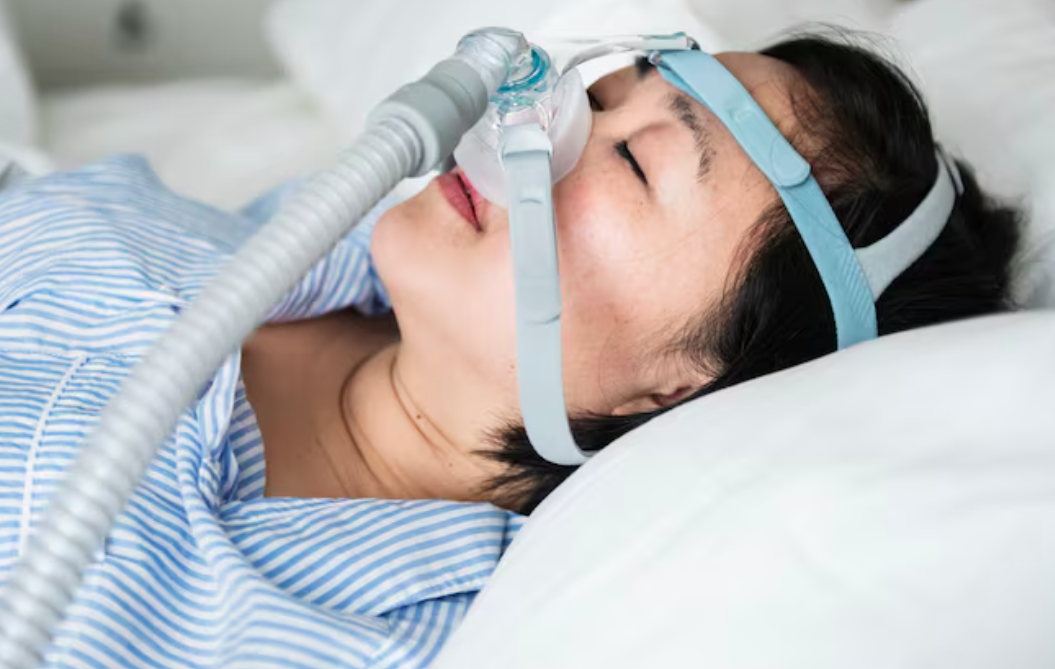
Obstructive sleep apnea is more than just a snoring problem; it is a chronic medical condition characterized by repeated interruptions in breathing during the night.
These pauses in respiration lead to significant drops in blood oxygen levels and fragmented sleep patterns that can devastate a person’s long-term health.
While non-invasive treatments are often the first line of defense, many patients find that they are unable to tolerate or remain compliant with these devices. For these individuals, sleep apnea surgery offers a permanent anatomical solution that addresses the root cause of the airway obstruction.
By surgically modifying the airway to prevent collapse, patients can experience a dramatic improvement in their physical health, mental clarity, and overall quality of life.
Reducing the Long-Term Risk of Cardiovascular Disease
One of the most profound advantages of a successful surgical intervention is the protection it offers the heart and vascular system. Untreated sleep apnea places immense stress on the cardiovascular system due to the constant fluctuations in oxygen and blood pressure during the night.
By opting for sleep apnea surgery, patients can significantly lower their risk of developing hypertension, cardiac arrhythmias, and heart failure. Restoring a consistent flow of oxygen prevents the chronic inflammation and arterial damage associated with disordered breathing.
This reduction in cardiovascular strain is perhaps the most critical benefit, as it directly contributes to an increased life expectancy and a lower probability of experiencing a stroke or heart attack.
Enhancing Daily Energy Levels and Cognitive Function
Chronic sleep deprivation leads to profound daytime fatigue, which can impair memory, focus, and decision-making abilities. Patients who undergo sleep apnea surgery often report a remarkable restoration of their cognitive sharpness and physical vitality.
When the brain is allowed to reach the deeper, more restorative stages of sleep without interruption, the brain fog associated with apnea typically begins to lift. This improved mental clarity enhances professional productivity and makes daily tasks feel less exhausting.
Furthermore, the elimination of excessive daytime sleepiness significantly reduces the risk of accidents while driving or operating machinery, providing a safer environment for the patient and the public.
Improving Metabolic Health and Weight Management
There is a complex and reciprocal relationship between sleep quality and metabolic function. Sleep apnea disrupts the hormones that regulate hunger and satiety, often making it difficult for patients to maintain a healthy weight.
By resolving the airway obstruction through sleep apnea surgery, patients can restore their hormonal balance, which often makes weight management more achievable.
Improved sleep also increases the energy levels required for regular physical activity, creating a positive feedback loop that supports metabolic health.
Many patients find that their glucose tolerance improves and their risk of developing type 2 diabetes decreases once their sleep patterns are successfully stabilized through surgical means.
Eliminating the Need for External Breathing Devices
For many individuals, the greatest benefit of a surgical solution is the newfound freedom from nightly equipment. While CPAP machines are highly effective, many users find them cumbersome, loud, or uncomfortable, leading to inconsistent use that leaves the condition undertreated.
Successful sleep apnea surgery can provide a one and done solution that eliminates the need to pack heavy machinery for travel or wear a restrictive mask every night. This transition to natural, unassisted breathing improves the sleep experience for both the patient and their partner.
The convenience of a permanent anatomical fix allows for a more spontaneous and comfortable lifestyle without the maintenance requirements of external medical devices.
